Key takeaways
- Pilates trains the deep core muscles (transversus abdominis and multifidus) that hold the spine.
- The Hundred, Roll-up and Swan are classic moves for posture.
- Keep a neutral spine and modify any move that causes discomfort.
Poor posture and back pain are common, and they are often caused by weak core muscles and long hours of sitting. Pilates offers a natural, effective answer by strengthening the core, the spine and the small stabilising muscles around them.
The science behind Pilates and posture
Core engagement and spinal alignment
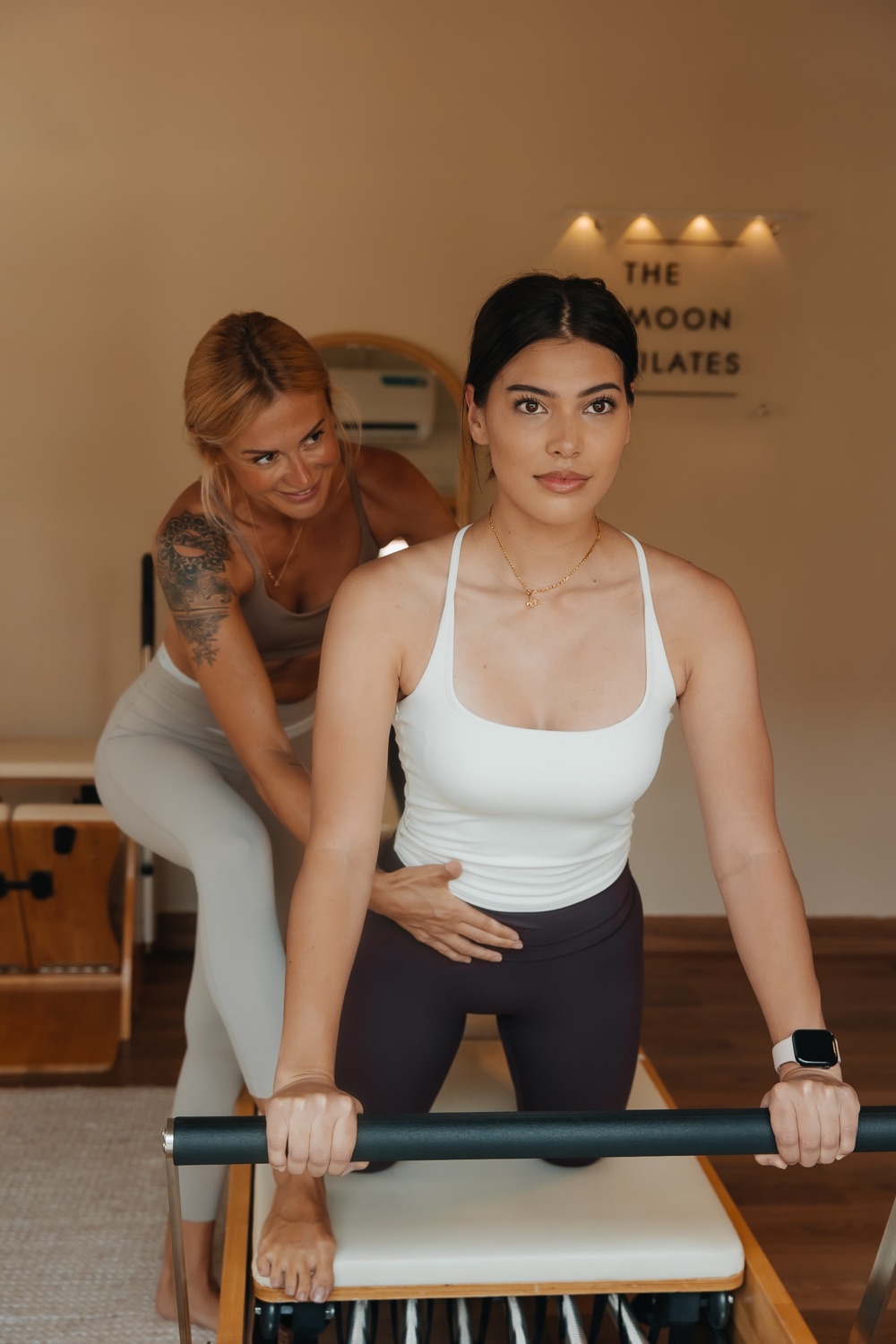
Pilates targets the deep core muscles, such as the transversus abdominis and multifidus, which support the spine and hold you upright.
Strengthening the deep stabilisers
Unlike many workouts, Pilates focuses on small stabilising muscles. They keep the spine in a neutral, balanced position during everyday movement.
Better flexibility and mobility
Controlled, flowing movements improve spinal mobility and prevent stiffness.
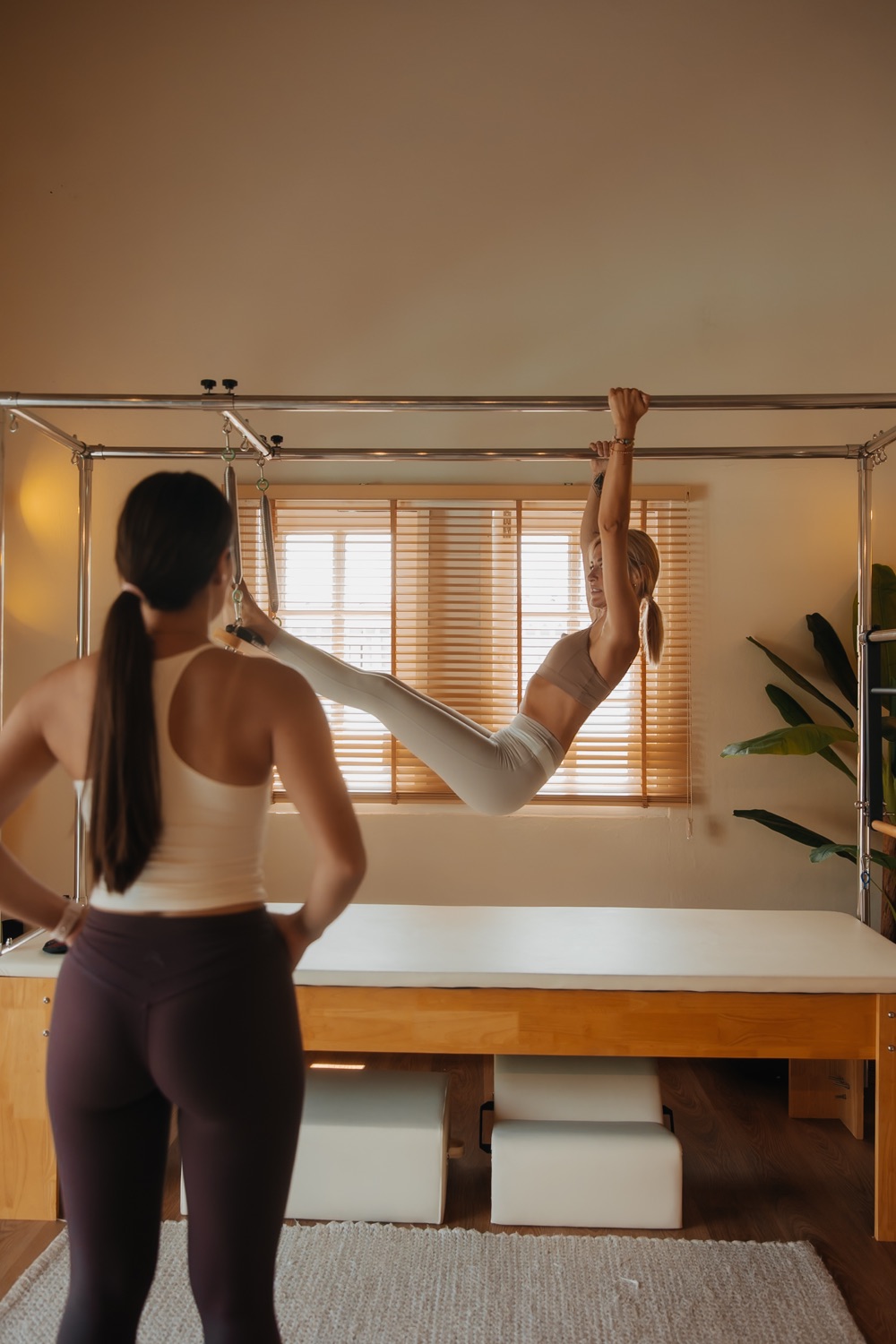
The best Pilates exercises for posture
- The Hundred strengthens the deep core.
- Roll-up increases spinal flexibility, one vertebra at a time.
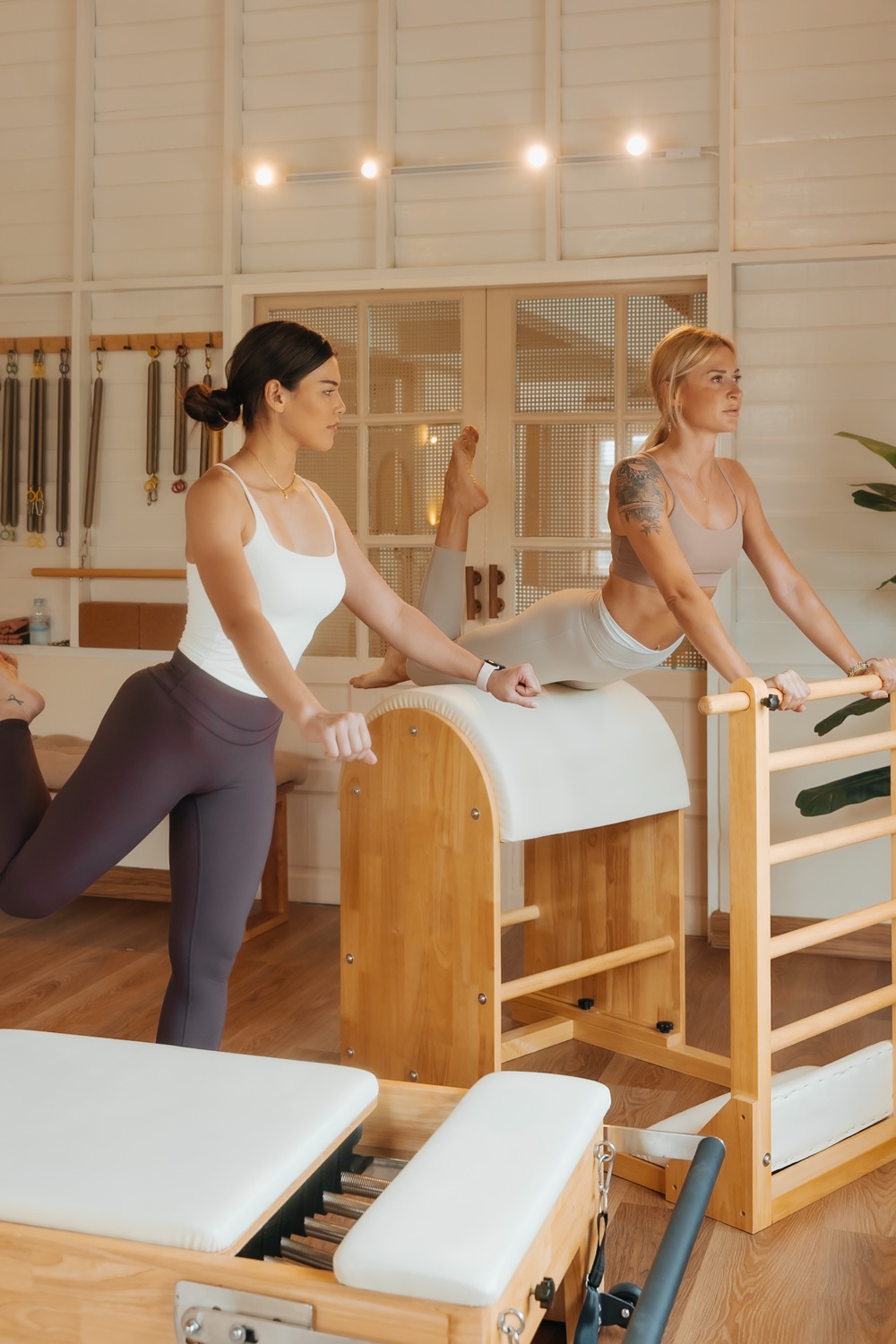
- Swan builds back strength and mobility.
How Pilates relieves back pain
- Less pressure on the spine, because the core muscles share the load.
- More core stability, which leads to better movement patterns.
- Better overall alignment, so the back is under less strain.
How to practise safely
- Keep a neutral spine unless an exercise asks otherwise.
- Don’t overextend the lower back.
- Modify or stop any exercise that causes pain, and tell your instructor.
The bottom line
Pilates is an effective way to improve posture and ease back pain with controlled, core-focused movement. Regular practice brings lasting benefits and less discomfort. If you have a diagnosed spinal condition, start one-on-one so every exercise is adapted to you.
Frequently asked questions
Is Pilates safe if I have back pain?
Usually yes, with the right modifications. If you have a diagnosed condition such as a herniated disc or scoliosis, start with private sessions and check with your doctor.
Is Reformer or Mat Pilates better for back pain?
The Reformer’s springs support and guide the movement, which makes it a good place to start. Mat Pilates builds the same strength using your body weight.
What if an exercise hurts?
Mild muscle fatigue is normal, but sharp pain is not. Stop and tell your instructor so the exercise can be adjusted.
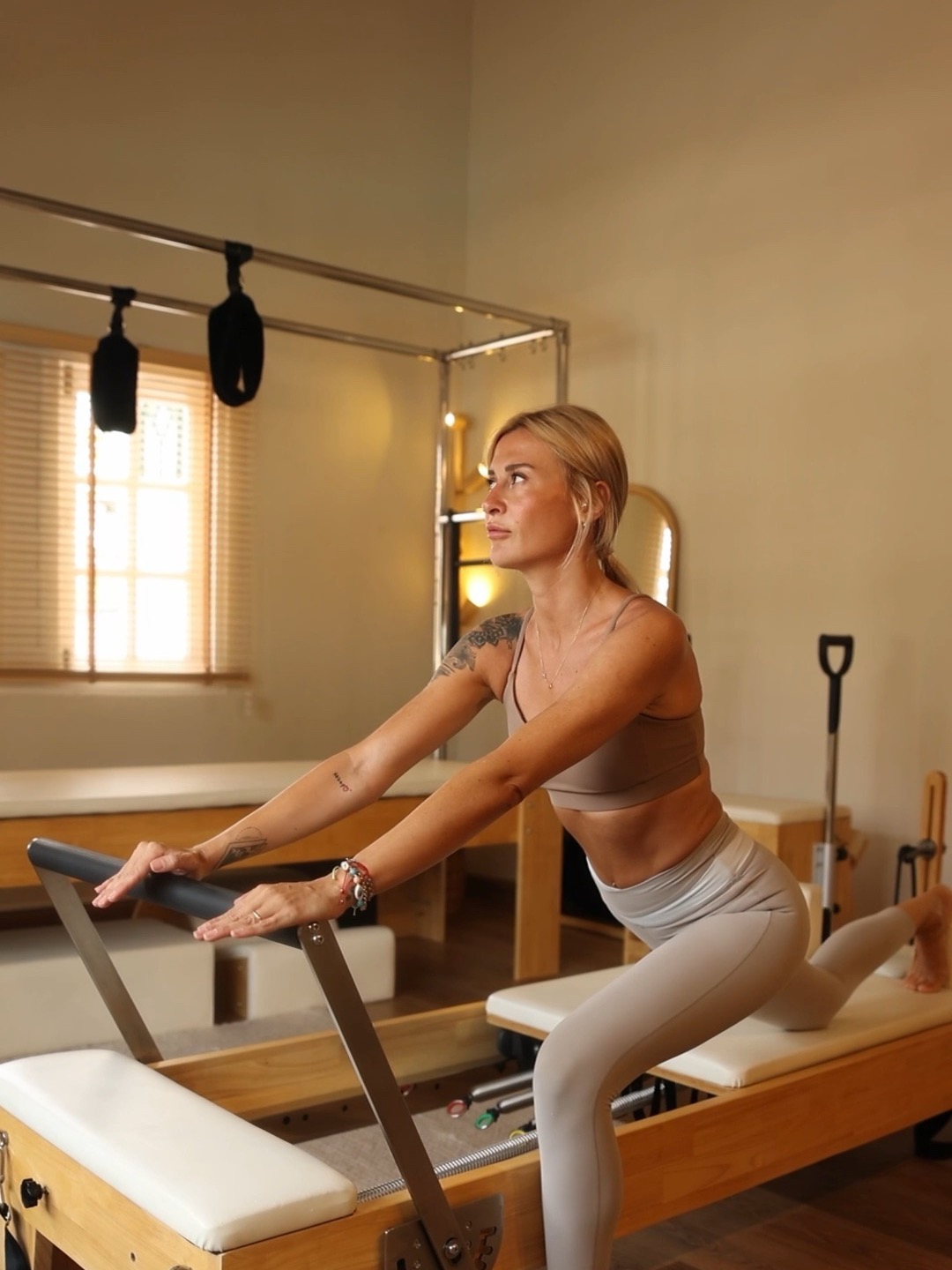
Written by
Tümay, Pilates Instructor
Balanced Body® comprehensive certified, with a degree in coaching education and specialised prenatal training. Teaching Pilates since 2009.
Meet Tümay