Key takeaways
- Poor sitting posture and too little movement are the main causes of desk pain.
- Pilates strengthens the back and abdominal muscles that hold you upright.
- Shoulder rolls and seated pelvic tilts give quick relief during the workday.
Many of us spend long hours at a desk, and the body pays for it: back, neck and shoulder pain are now some of the most common complaints. Slouched sitting and too little movement are the biggest causes of posture problems.
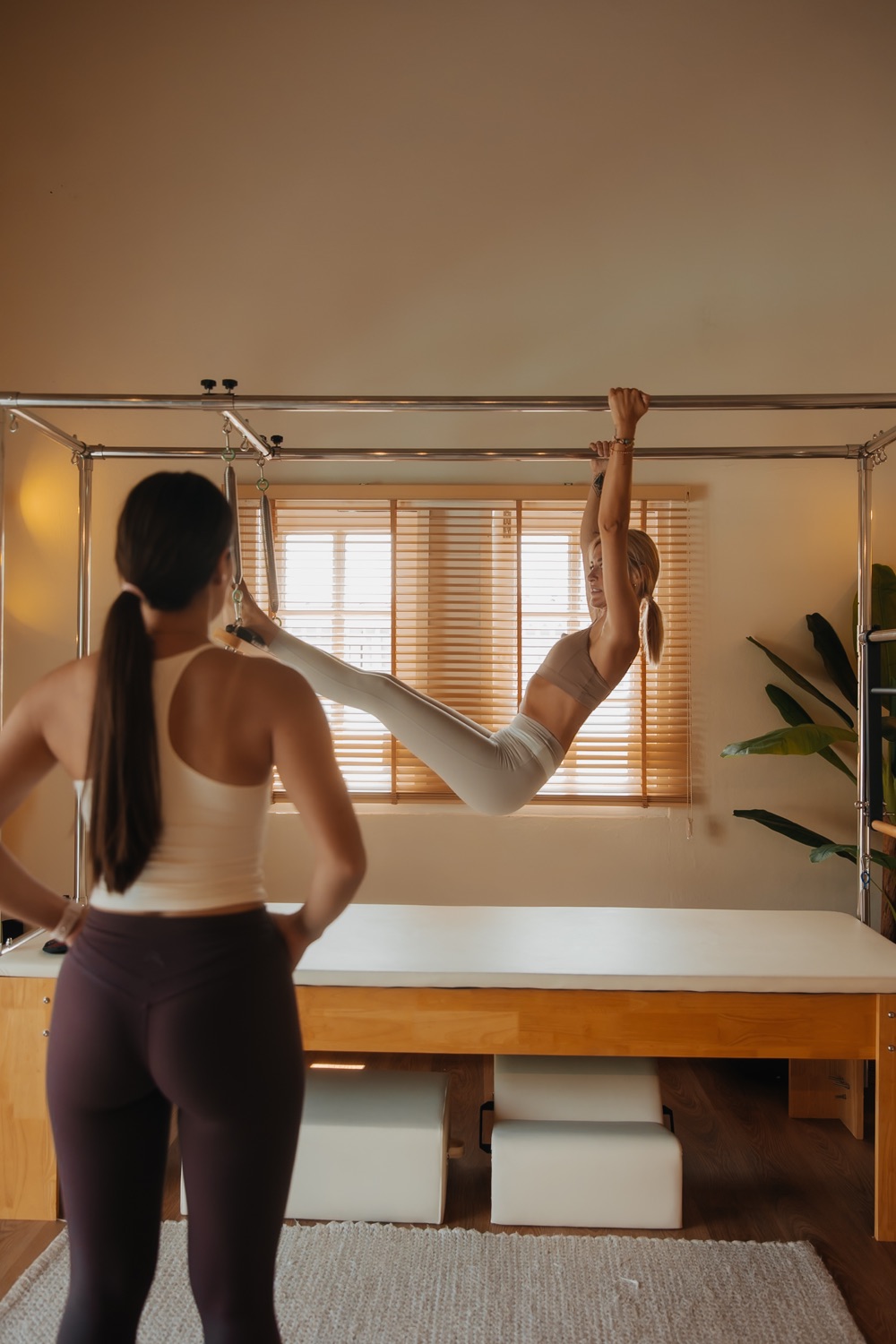
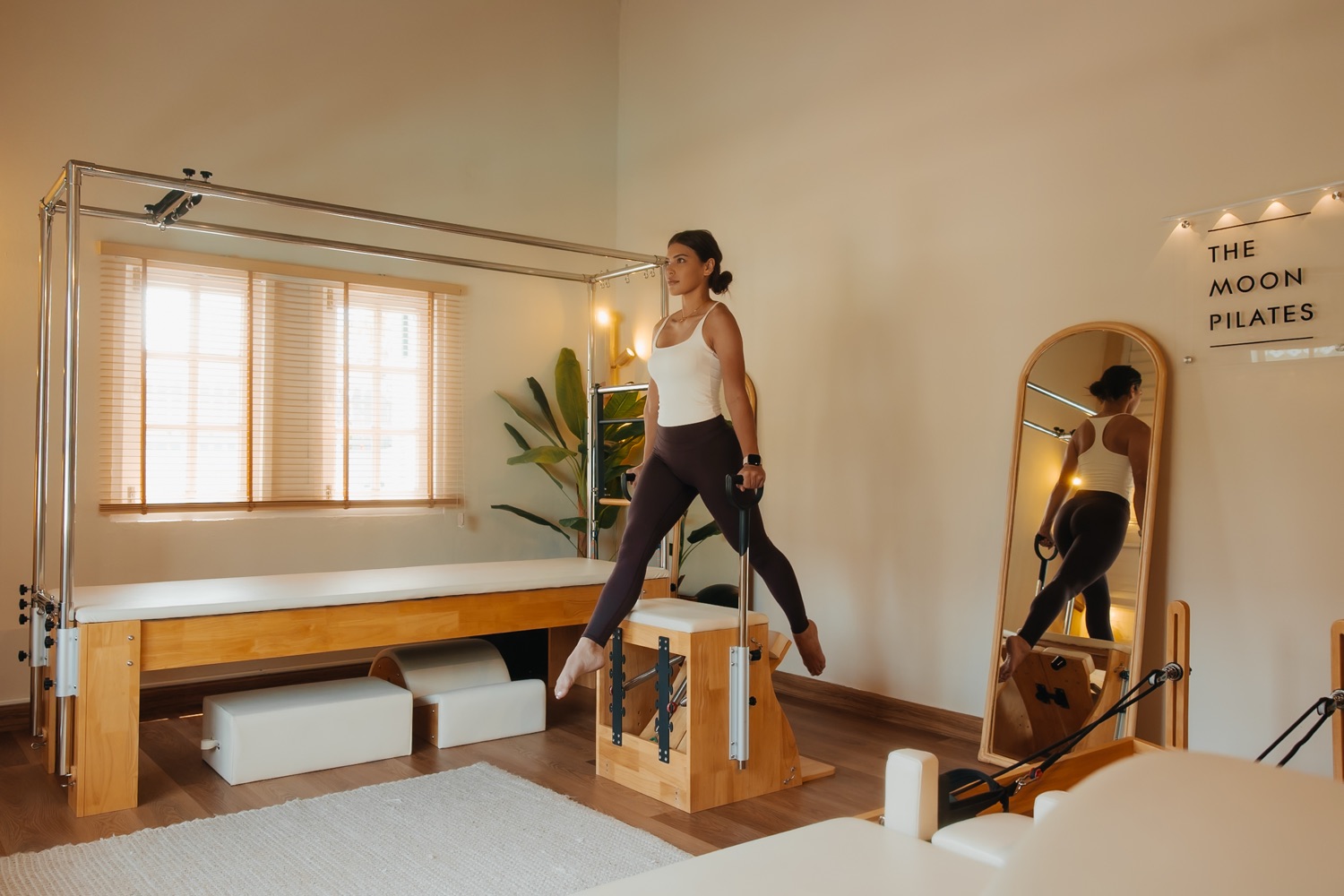
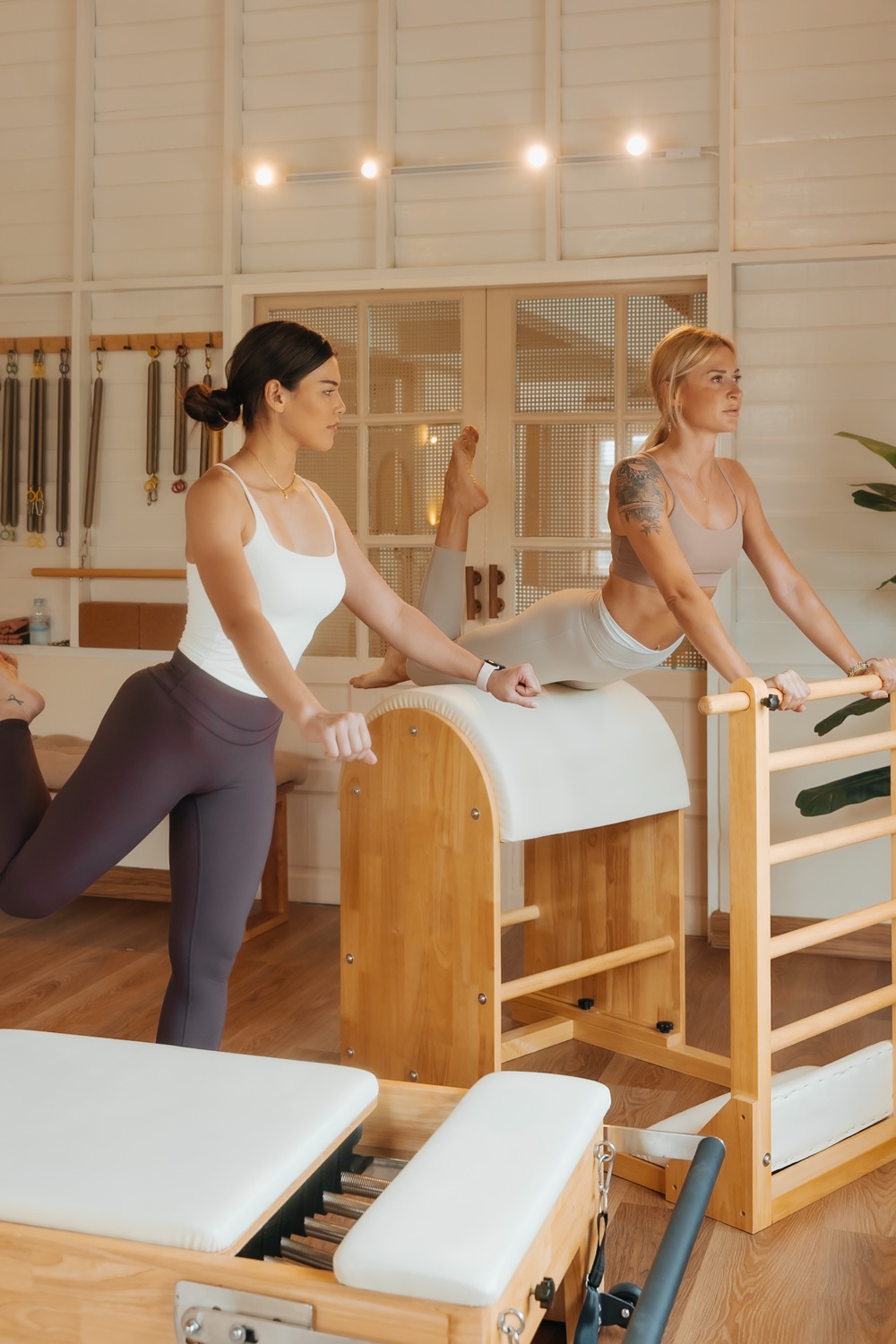
Pilates is one of the most effective ways to prevent this pain and ease the discomfort you already have. With controlled, mindful exercises you strengthen your body, support your spine and improve your posture.
How Pilates helps office workers
- Better posture. Pilates aligns the spine and counteracts slouching and leaning forward.
- Stronger back and abdominal muscles. A strong core takes pressure off the lower back during long periods of sitting.
- Less neck and shoulder tension. Mobility work releases the tightness that builds up in front of a screen.
- More body awareness. You notice poor habits sooner and sit and stand better through the day.
- Less stress. Deep, steady breathing calms the nervous system.
Two Pilates exercises you can do at your desk
1. Shoulder rolls
- Sit upright with both feet on the floor.
- Slowly roll your shoulders up, back and down in a circle.
- Repeat 8–10 times. This releases tension in the neck and shoulders.
2. Seated pelvic tilt
- Sit upright in your chair.
- As you exhale, gently tilt your pelvis back; as you inhale, return to neutral.
- Repeat 8–10 times. It wakes up the lower back and abdominals and eases pressure on the lumbar spine.
The bottom line
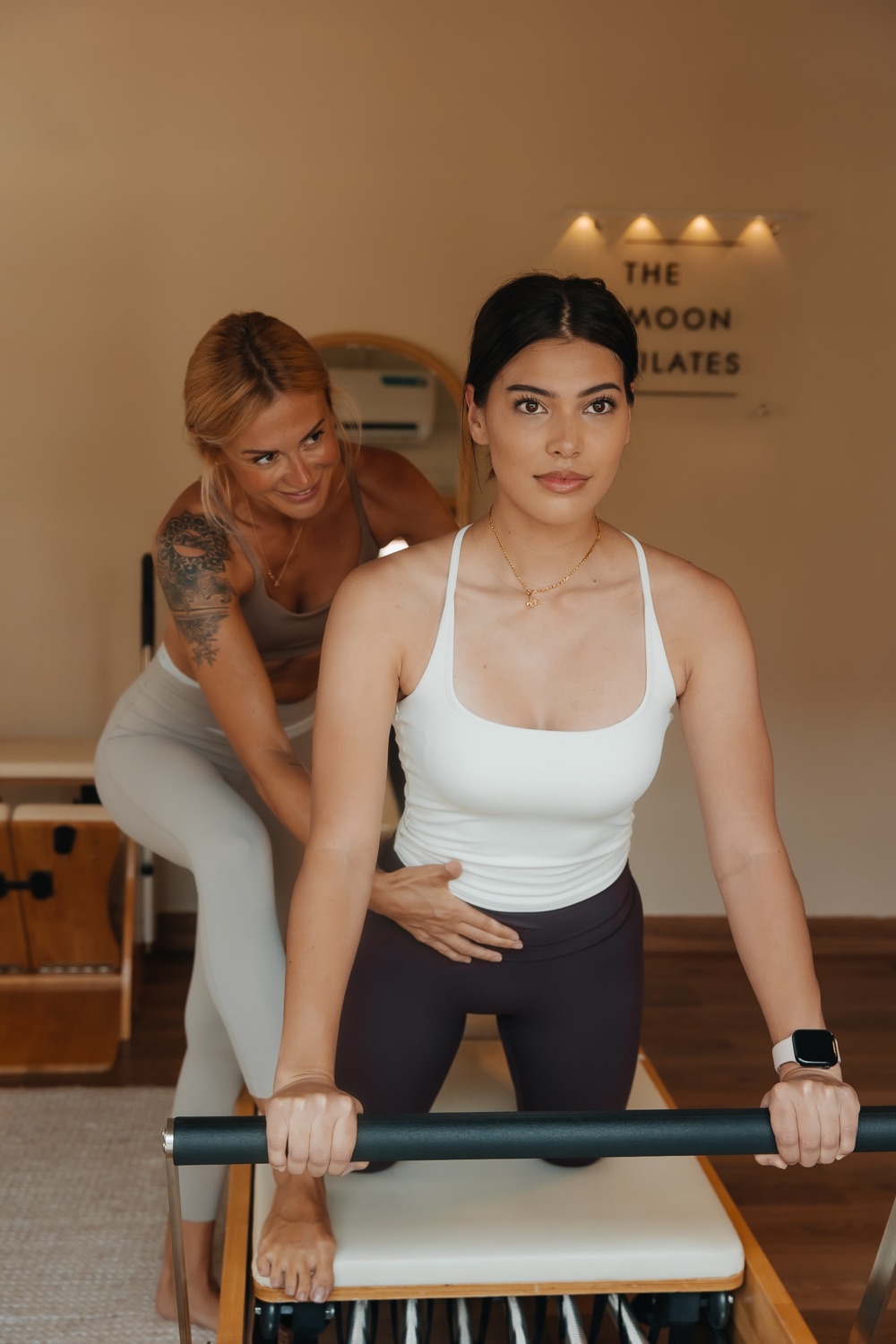
Pilates supports not only your body but your whole quality of life. If desk work leaves you stiff and sore, a few sessions a week can change how you sit, stand and feel. Our instructors at The Moon in Pattaya adapt every exercise to your body, starting with your posture.
Frequently asked questions
Is Pilates good for office syndrome?
Yes. Pilates corrects posture, strengthens the neck, shoulder and back muscles and releases the tension that comes from sitting for hours.
Which class is best for desk-related back pain?
Start with Private Reformer so an instructor can check your posture and adapt each exercise. Mat Pilates is a good next step once you know the basics.
How quickly will my posture improve?
With two to three sessions a week, many people stand taller and feel less tension within four to six weeks.
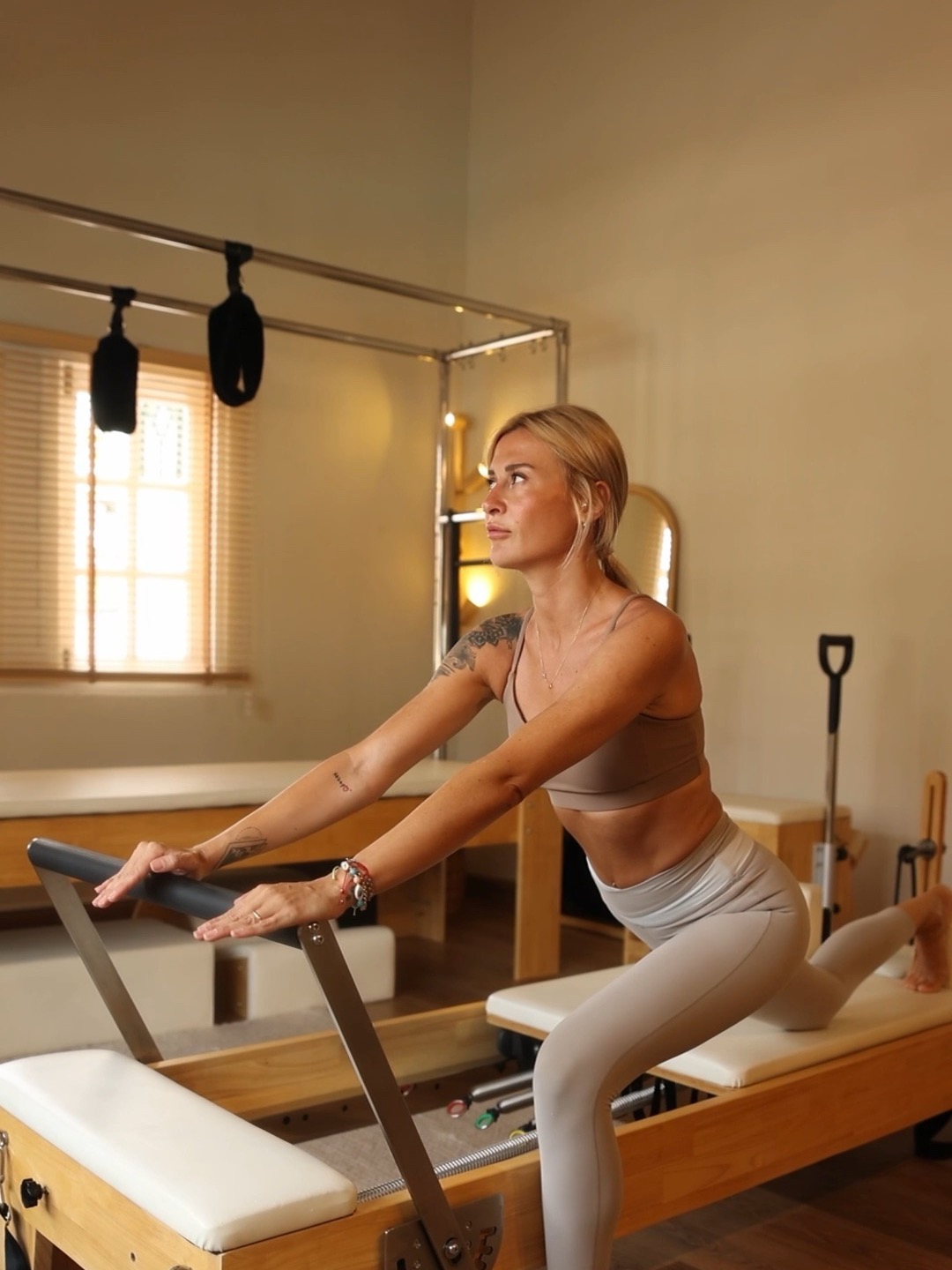
Written by
Tümay, Pilates Instructor
Balanced Body® comprehensive certified, with a degree in coaching education and specialised prenatal training. Teaching Pilates since 2009.
Meet Tümay